Top Online Casinos in the USA 2026: What to Look for Before You Sign Up
If you've been watching the US gambling scene at all lately, you already know things look pretty different than they did a few years ago. What used to be a mess of sketchy offshore sites and legal gray zones has turned into a real, regulated market — one where American players actually have decent choices. But more options also means more noise, and honestly, more ways to get burned if you're not paying attention. I've put in a lot of hours figuring out what separates a trustworthy platform from a well-dressed trap. This guide is what I wish I'd had before I signed up anywhere.
The Online Casino Landscape in the USA in 2026
The numbers are hard to ignore. Online casino revenue in the US keeps climbing, and 2026 is on track to break records again. More states are pushing toward legalization, more operators are jumping in, and the tech running these platforms — live dealer streaming, mobile-first design, near-instant payouts — has gotten genuinely good. Players in legal states aren't putting up with clunky, half-baked experiences anymore.
What's behind the shift? Convenience, obviously. You don't need to drive to Atlantic City or burn a weekend in Vegas to play blackjack anymore. But there's something else going on too — a trust factor that wasn't really there five years ago. State regulators have gotten stricter, players have gotten smarter, and operators have had to raise their standards to stay competitive. The wild west isn't completely gone, but the market has grown up a lot. That said, not everything ranking on page one of Google deserves your money — which is exactly why doing a little homework before you register still matters in 2026.
Legal and Licensing — The First Thing to Check
I'll skip the soft intro: licensing is the most important thing to verify before you create an account anywhere. Full stop. A casino without a proper license owes you nothing when something goes sideways — and things do go sideways. Delayed withdrawals, games that don't feel right, accounts shut down without explanation. These aren't forum myths. They happen on unlicensed platforms with real regularity, and US players usually have almost no legal path to recover anything when they do.
In the US, licensing is handled at the state level — there's no single federal regulator watching over the whole industry. The New Jersey Division of Gaming Enforcement, the Pennsylvania Gaming Control Board, the Michigan Gaming Control Board — those are the bodies that actually carry weight. A casino licensed by one of them is subject to regular audits, player fund protection requirements, and a real dispute resolution process. That's not nothing. Beyond state licenses, it's worth checking for certifications from independent testing agencies like eCOGRA or iTech Labs, which specifically audit game fairness — not just the platform's operations.
State-by-State Legalization Status
As of 2026, legal online casino gambling is available in a limited but growing number of states. New Jersey, Pennsylvania, Michigan, Connecticut, Delaware, West Virginia, and Rhode Island all have established legal frameworks in place. New York, Illinois, and Indiana have active legislation moving through various stages — but 'moving through' isn't the same as 'done.' If you're not sure where your state stands, that uncertainty alone is a reason to be careful. Playing on an offshore or unlicensed platform isn't just legally murky — it genuinely puts your money at risk. Licensed platforms have to maintain financial reserves to cover player payouts. Unlicensed ones have no such obligation.
Bonuses and Promotions — Separating Real Value from Marketing Hype
A $1,000 welcome bonus looks great right up until you actually read the terms. Casino bonuses are probably the most misunderstood corner of online gambling, and operators are well aware of that. The headline number is designed to grab your attention before you start asking inconvenient questions. My approach: ignore the top-line figure and go straight to the wagering requirement.
Wagering requirements tell you how many times you need to run the bonus — sometimes bonus plus deposit — through real bets before any winnings become withdrawable. A $200 bonus with a 40x requirement means $8,000 in wagering before you see a cent. Game restrictions compound this — slots typically count 100% toward wagering, while table games might count 10% or nothing. Time limits can quietly make an otherwise reasonable offer completely unworkable. Seven days to clear a 35x requirement on a $300 bonus? You're set up to fail before you start. Read everything before you opt in.
What Fair Wagering Requirements Look Like
In 2026, anything under 25x on the bonus amount alone is genuinely player-friendly. The 25x–35x range is about industry standard — acceptable if the rest of the terms hold up. Above 40x, especially combined with tight time windows or heavy game restrictions, I'd walk away. I also pay attention to how upfront a platform is about these numbers. If you have to dig through a footnoted PDF to find the wagering requirement, that's a design choice — and it tells you something about who the platform is actually built for. Sites that put their promotion terms front and center are signaling that they want repeat players, not just first deposits. A useful benchmark I keep coming back to is casino bison, which handles bonus transparency in a notably straightforward way — the kind of player-first approach that should be the baseline when you're deciding what 'fair' actually means.
Game Selection and Software Providers
A big game library isn't automatically a good one. What I care about is quality, variety, and whether the studios behind the titles have real reputations to protect. Platforms carrying games from NetEnt, Evolution Gaming, Pragmatic Play, IGT, or Playtech are giving you a meaningful signal. Those developers submit their games to independent audits. Their RNGs get tested, their payout percentages get published, their track records are out there. When a casino works with them, it's usually because the platform itself has passed some level of vetting too.
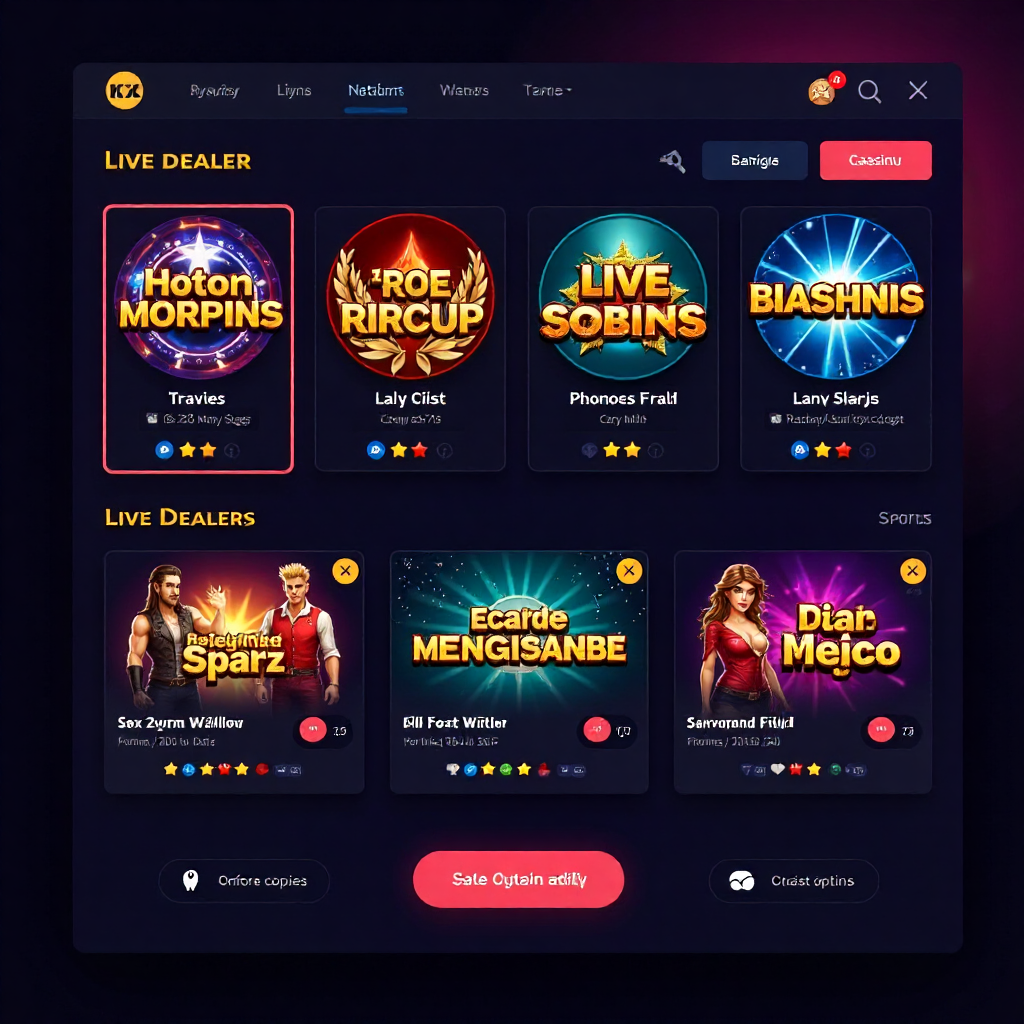
Slots aren't the whole picture. A solid library needs a real live dealer section — actual blackjack, roulette, baccarat, and game show variants running from studio setups, not pre-recorded footage. Live dealer quality has become one of the cleaner ways to tell serious platforms from pretenders in 2026. Corners cut there tend to show up elsewhere too. Table games, video poker, keno — these round out what I'd call a complete offering. If a site's catalog is full of titles from providers you've never heard of and can't find any public information on, that's worth treating as a warning sign.
Banking Options and Payout Speed
For US players, banking has been the frustrating part of online gambling for a long time. Card processing blocks, slow ACH transfers, almost no e-wallet support — these were real, persistent problems. The better platforms have mostly worked through them by 2026. What I want to see is a clear list of accepted deposit methods, honest withdrawal timelines, and either fee-free payouts or fees that are disclosed plainly upfront.
ACH transfers and PayPal are still the go-to options for most US players — wide availability, decent consumer protections. A growing number of licensed platforms now support crypto withdrawals too, which often means faster processing if that's your preference. But the core question doesn't change: how long does it actually take to get paid? A platform sitting on your withdrawal for 5–7 business days while competitors turn them around in 24 hours is telling you something real about how they prioritize players. Don't rely on marketing copy for this — find recent player reviews that specifically discuss withdrawal experiences, and trust those over anything on the casino's own site.
Security, Responsible Gambling, and Customer Support
Security isn't exciting to think about, but it's the floor everything else rests on. Any platform you're considering should be running SSL encryption across all transactions and data transfers — check the padlock in your browser and make sure the certificate is current. Past that, look at the data protection policy. What do they collect? How is it stored? Who can access it? A legitimate, licensed platform will have clear answers in plain language. Vague or missing answers aren't a technicality — they're a problem.
Responsible gambling tools have quietly become one of the better signals for platform quality in 2026. Deposit limits, session reminders, cool-off periods, self-exclusion — when these are easy to find and straightforward to activate, it tells you the operator actually wants you to stay in control. When they're buried or difficult to use, that's a deliberate choice too. On support: I want 24/7 availability as a baseline, live chat that connects to a real person in under two minutes, and agents who can actually answer specific questions about accounts and withdrawals. If every response sounds like it came from a help center article, that's not real support.
Key Takeaways — What to Prioritize Before You Sign Up
Here's the short version of everything I've covered — a practical checklist for evaluating any US online casino in 2026:
- Verify the license first. State-level licensing from a recognized regulatory body is non-negotiable. Don't skip this step.
- Read the full bonus terms. Wagering requirements, game restrictions, and time limits matter more than the headline bonus number.
- Check the software providers. Recognizable, audited studios mean fair, independently verified games.
- Test the banking options before you deposit. Confirm your preferred payment method is supported and check realistic withdrawal timelines.
- Look for responsible gambling tools. Their presence — and accessibility — signals how the platform treats its players.
- Contact customer support before you need it. A quick pre-registration question will tell you a lot about response speed and quality.
The US online casino market in 2026 genuinely offers more solid, legitimate options than it ever has. That's real progress. But a bigger market also means more platforms competing for your attention — and not all of them have done the work to deserve it. The ones worth your time are the ones that hold up when you actually look closely: clear terms, real regulatory licenses, and a platform built around keeping players coming back rather than extracting one deposit and moving on. Take your time with this. The right platform will still be there after you've done your homework.